From game meat to edible plants to medicines, the bounty generated by our public woodlands is incredibly important.
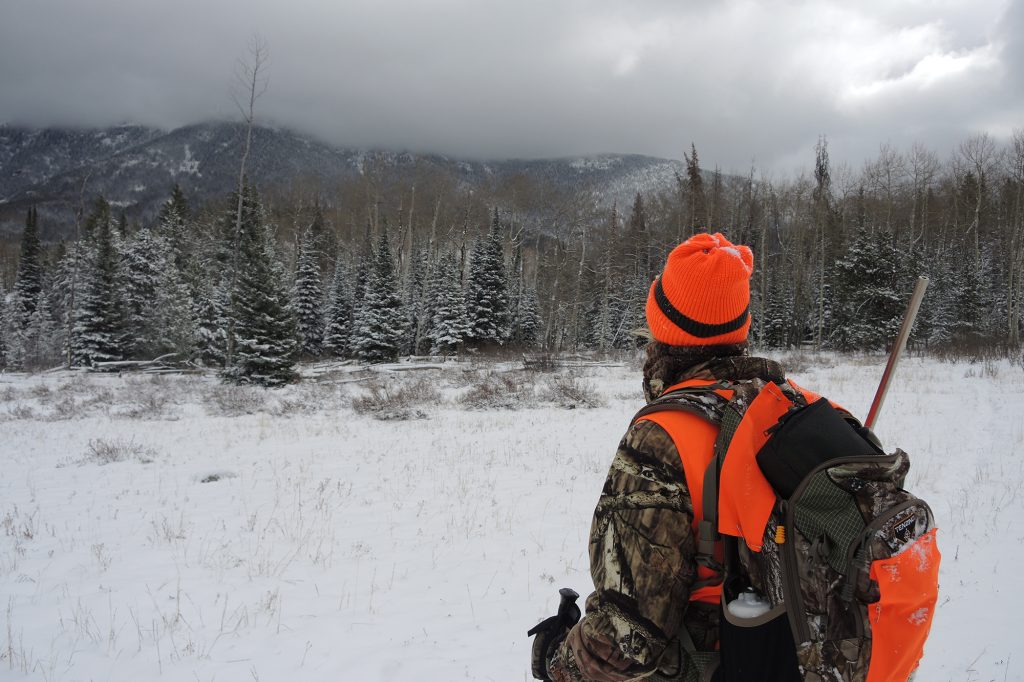
Photo above: Public forests are obviously crucial wildlife habitat, but they also provide an incredible array of additional benefits. (Photo by VictorSchendelPhotography.com)
Hunters know the feeling: that first peep of grey light, the cool embrace of autumn air, and the familiar blended scents of trees and earth. From first awakening, the senses burn with alertness and expectation, something unique to days where our hunting past becomes our present, an evolutionary marvel reverently awakened in our own lives. You lace up your boots, their creased leather familiar and reassuring. You feel the chill bite at your fingers as you shoulder your rifle, its weight perfectly recalled, its ideal positioning achieved with a mindless roll of your shoulder. You adjust your pack and step into another reality. It is a world where your animal senses matter most, where quiet is the norm, not the exception; and where every sound, just like every breath, is a story in itself. Somewhere ahead, a whitetail buck moves silently through the frost-silvered landscape—and with luck, tonight, your family’s freezer will be a little fuller.
Every year, our public forests are the stage for countless such hunting adventures. But hidden beneath the towering trees and running timelessly along those winding, shadowed trails is another and even greater story—a story of physical and spiritual nourishment, of autonomy and self-reliance, and of deep-rooted cultural tradition. Wild foods and medicines, harvested from public lands, have sustained Americans –native and settler alike–for generations. And today, they remain a vital yet often overlooked bounty, providing food security, economic resilience, and a living connection not only to our natural heritage, but to our natural selves.
Across the United States, public forests quietly provide millions of pounds of wild meat and fish, edible plants, berries, mushrooms, and medicinal herbs every year. These shadowed harvests are more than curiosities of the backcountry; they are an essential part of community wellness and the outdoor way of life. New research is showing just how important these harvests are and why it’s time to better recognize and manage these gifts of the land.
More Than Timber and Trails
Public forests have always been considered working landscapes, supporting critically important timber harvests and livestock grazing. They have also been recognized as vital for outdoor recreationists and home to an incredible range of wildlife and plant species. Certainly, wild foods and medicines have also been recognized, though far less emphasized, as components of such landscapes; yet, from a historical perspective, these products may actually be considered among the primary benefits of healthy and sustainably managed forests. Recent studies estimate that every year, more than 255,000 metric tons of wild foods and medicines are harvested from U.S. public forest lands. That includes everything from venison and elk meat to wild blueberries, salmon, chanterelle mushrooms, and wild rice, as well as medicinal roots like ginseng and goldenseal. Hunters alone harvest more than 68,000 metric tons of wild meat annually from public forests in the US–enough to provide more than 437 million meals to American families each year (data from the Wild Harvest Initiative).
Given their scale and importance, these harvests should be recognized, alongside wood products and livestock grazing as major benefits of sustainably managed forests. However, in reality, their contributions have remained far less visible in forest management decisions and wider policy discussions. Although wild foods and medicines are woven through the tapestry of forest harvesting, they’ve often been overlooked or simply taken for granted. This is despite the fact that more than 200 wild species of plants and animals are officially reported as being harvested from U.S. public forests, and consumed by Americans, every year. While the true volume of these harvests is almost certainly greater than what official figures suggest, such harvests obviously represent a secluded wealth that benefits diverse communities across the rural, urban and cultural landscapes of modern America.
A Deeply Rooted Tradition
Hunters understand—perhaps better than even most other extractive users—that wild-harvesting is not some hip new hobby, nor simply a survivalist throwback; it is a living tradition with roots as old as the forests themselves. Across North America, native peoples, settlers, and rural communities have long relied on wild harvests for sustenance, medicine, and cultural identity. These wild harvests have always been essential to those who depend on the land for survival, as well as those who view it as a rich part of their heritage.
Take Alaska, for example. In Southeast Alaska alone, rural communities harvest approximately 2,055 metric tons of wild food each year, including salmon, berries, moose, and more. Astonishingly, 76 percent of that food depends directly on healthy forest ecosystems. This wild abundance supplies local residents with more than 120 percent of their daily protein needs and contributes about 17 percent of their total caloric intake—a testament to how critical forest foods remain for human health, food security and cultural survival in that region. The annual replacement value of this wild subsistence harvest is estimated between $20.5 and $41.1 million—or about $845 to $1,691 per person—highlighting, also, its practical, economic importance.
And it’s not just Alaska. Across the lower 48 states, millions of hunters, anglers, and foragers participate in the wild bioeconomy, whether they realize it or not. Their freezers are full of wild-harvested foods: wild turkey from oak and pine woodlands; black bear from Appalachian ridges; elk from alpine meadows; white-tailed deer from northern hardwood stands; squirrel and rabbit from backwoods thickets; trout from cold, forest-fed streams. Their tables are graced with hand-picked morel mushrooms, wild huckleberries, fiddleheads, chokecherries, foods that mark the seasons and celebrate the richness of the land. Their medicine cabinets are stocked with tinctures from elderberries and echinacea. Each of these wild commodities has diverse value, including an obvious economic one when replacement costs for commercially produced products are considered.
Wild foods are also more than just delicious; they are nutritional powerhouses. Wild meat and fish offer lean, protein-rich sustenance packed with vital nutrients. Venison, for example, is significantly lower in fat and higher in essential omega-3 fatty acids compared to grain-fed beef. Wild-caught fish, like salmon and trout, are loaded with heart-healthy fats, vitamins, and minerals. Even wild plants—blackberries, dandelion greens, stinging nettles, and many others—contain higher concentrations of antioxidants and micronutrients than their farmed counterparts. In an age of overprocessed foods, wild harvests deliver the kind of nutrient density our ancestors thrived on and the kind of nutrition we crave, consciously or otherwise.
But for most wild harvesters, the pursuit of wild food isn’t just recreational, nor is it solely about health or even financially driven—it’s a family and community legacy, a tradition passed from generation to generation alongside rifles, recipes, hand-drawn maps, and stories by the fire. So these harvests aren’t just about food or medicine; they are about heritage, hardiness, and the hands-on stewardship of our shared wild spaces. And they are, most powerfully, about family and friendship. That is why remembrances of passed friends and loved ones are laced with such references, and to the times spent and the harvesting talents forged in nature’s spaces.

Harvesting and Protecting
Forest food systems don’t just feed people; they help conserve biodiversity. Sustainable hunting, fishing, and foraging require and therefore encourage advocacy for healthy, diverse ecosystems. Managed responsibly, these harvesting activities foster stewardship, habitat restoration efforts, and a deeper personal and wider public investment in protecting wild spaces. When hunters take part in managing healthy deer populations, for example—adhering to regulated seasons, reporting data, funding habitat projects—or when foragers harvest ramps responsibly—following sustainable guidelines, monitoring abundance, respecting regeneration—they become active partners in conservation. Forest food systems remind us that humans are not separate from nature—we are part of it.
Moreover, integrating such wild food and medicine harvests into land-use planning helps diversify the bioeconomy, the range of goods and services we derive from healthy ecosystems. Recognizing wild harvested foods and medicines as legitimate forest products, alongside timber and grazing, strengthens our understanding of rural economies and integrating them helps build resistance against market shocks. Wild harvests complement traditional agriculture and ranching, too. Where cultivated crops can fail under drought or market shifts, wild foods offer an alternative source of nutrition and income. They are a natural insurance policy entwined within managed landscapes, thereby enriching rural economies and helping working lands stay working.
Sharing the Harvest
One of the most remarkable aspects of harvesting wild food from public forests (and elsewhere)—whether it’s big game, plants, or fungi—is the culture of sharing it inspires. Research from the Wild Harvest Initiative shows that 94 to 98 percent of American hunters share part of their wild-harvested food with others. In forest-rich regions, it’s incredibly common for someone who harvests a deer or a basket of wild leeks to bring a portion home to family, friends, and neighbors—even across long distances. In Alaska, where forest-based food systems dominate, hunters share about 68 percent of the meat they harvest. In Alaska and nationwide, many hunters donate wild game to food banks and pantries, helping to feed those in greatest need. It’s a generosity rarely seen with commercially produced food purchased in stores. But when food is gathered from the land—earned through knowledge, effort, and respect for natural systems—sharing becomes second nature. Why? Because it is, actually, our first nature; reflecting the evolutionary normality of sharing in hunter-gatherer societies. These gifts from public forests don’t just nourish bodies; they also nourish communities and build bonds between people.
Toward More Inclusive Stewardship
We won’t manage what we don’t value, and we can’t manage what we don’t measure. These are vital lessons of conservation history. If wild-harvested forest foods and medicines are to be safeguarded for future generations, we must assess their true value. This starts with acquiring better data. But, unlike timber cutting, livestock grazing, or even firewood collection, the harvesting of wild nourishment is still poorly tracked on most public forests, in the United States and in Canada. Yet, without knowing how much is being gathered, where, or for what purposes—whether for family meals, cultural practice, or seasonal tradition—it’s difficult to ensure that harvests remain sustainable or that forest management decisions reflect the full range of forest land values and products. A more robust system of data collection would provide clarity and help land managers protect key food and medicine producing habitats and species. In Alaska, for example, integrating detailed subsistence harvest data into planning has led to more effective protections for salmon-bearing streams—an outcome benefitting both local communities and wildlife.
But better data alone isn’t enough. Wild food and medicine must be recognized as legitimate, primary outputs of healthy, productive forests—not just as pleasant extras or overlooked traditions. And, this recognition needs to be reflected in the policy culture of our oversight institutions. Management plans should account for the presence and value of edible and medicinal species in the same way they do for timber stands or grazing allotments. When wild food systems are integrated into land-use planning, it becomes easier to balance multiple uses while supporting broader economic gains, improving biodiversity and heritage preservation, and enhancing local access to essential provisions.
Inclusive stewardship is key. People who rely on forests—whether tribal/indigenous harvesters, rural residents, recreational hunters, or seasonal foragers—should be included in the decision-making processes that involve and affect these landscapes. The insights, priorities, and lived experience of these communities can offer valuable guidance for sustainable management and long-term forest health. Too often, these voices have been absent or sidelined in policy discussions, despite their deep linkages to the land and longstanding contributions to its care.
Ultimately, a resilient forest is a multi-use forest. Timber, recreation, grazing, hunting, gathering—all of these uses are possible, and none need to be exclusive of others. In fact, when managed wisely, these uses can complement each other in many ways. Recognizing the full suite of forest values, and involving a wider range of people in their protection and stewardship is how we move toward wiser, more inclusive and more resilient land and resource management.
It Matters More Than Ever
In a world facing growing pressures on existing food systems, declining biodiversity, and increasing environmental strain, ensuring the ability of public forests to provide wild foods and medicines is more important than ever. These landscapes offer a natural, sustainable source of sustenance and healing that doesn’t require plowing up new fields, draining more wetlands, or disrupting intact ecosystems. Wild harvests also offer something money can’t buy and industrial agriculture can’t provide: nature connection. In a society increasingly detached from the sources of its food, harvesting an elk, gathering a basket of wild asparagus, or brewing pine needle tea rekindles a relationship with the land—a relationship built on gratitude, responsibility, respect… and humility. As all wild harvesters know, these experiences bind us more tightly to the landscapes that sustain us.
Public forests belong to all of us. They are not only sanctuaries for walking beneath cathedral canopies or sleeping beneath stars, nor simply storehouses of lumber or landscapes for pasture. Rather, they are living, breathing ecosystems that feed us, heal us, and root us to our shared natural heritage. Recognizing the value of these hidden forest harvests is not about choosing between timber, wildlife, or recreation. It’s about seeing the full picture—and the full potential—of these crucial landscapes.
As we look to the future, one thing is clear: the best way to protect what we love is to understand all it provides. Our wild foods and medicines are not relics. They are promises—living proof that with care, respect, and shared guardianship, our public forests can continue to feed and heal us all.